Factory · Materials & Yarn
Yarn and materials — where the product is actually decided
Yarn decides how a sock feels, how long it lasts and what it costs. Here is the range we work with, what each option actually buys you, and how we keep colour consistent across a programme.
The yarn range, and what each one buys you
We work with all of these routinely. The recommendation always follows the wearing condition and the price point, not the other way round.
| Yarn | What it gives you | Certification | Typical use |
|---|---|---|---|
| Combed cotton | Softness with good strength; the volume standard | — | Everyday, casual, sports |
| Mercerized cotton | Lustre, depth of colour, premium hand-feel | — | Dress, business, gift ranges |
| Organic cotton | Same performance, verified organic supply chain | GOTS | Brands with a sustainability claim |
| Bamboo viscose | Silky drape, natural antibacterial properties | OEKO-TEX | Women’s comfort, kids’ |
| Modal | Soft, resistant to shrinkage and fading | OEKO-TEX | Premium basics, underwear |
| Merino wool | Warmth, odour resistance, temperature regulation | RWS | Hiking, thermal, outdoor |
| Recycled polyester | Technical performance with a recycled content claim | GRS | Running, performance, sustainable ranges |
| Wicking polyamide | Moisture transport, quick drying | OEKO-TEX | Sports, compression, travel |
| Medical polyamide / elastane | Graduated compression with pressure stability | OEKO-TEX | Compression, medical, travel |
| Acrylic and blends | Warmth at a low cost, colour stability | OEKO-TEX | Fleece-lined thermal, volume winter |
| Nylon and elastane blends | Shape retention and recovery | OEKO-TEX | Cuffs, waistbands, seamless underwear |
Colour control
Dye lots are the quiet reason reorders disappoint
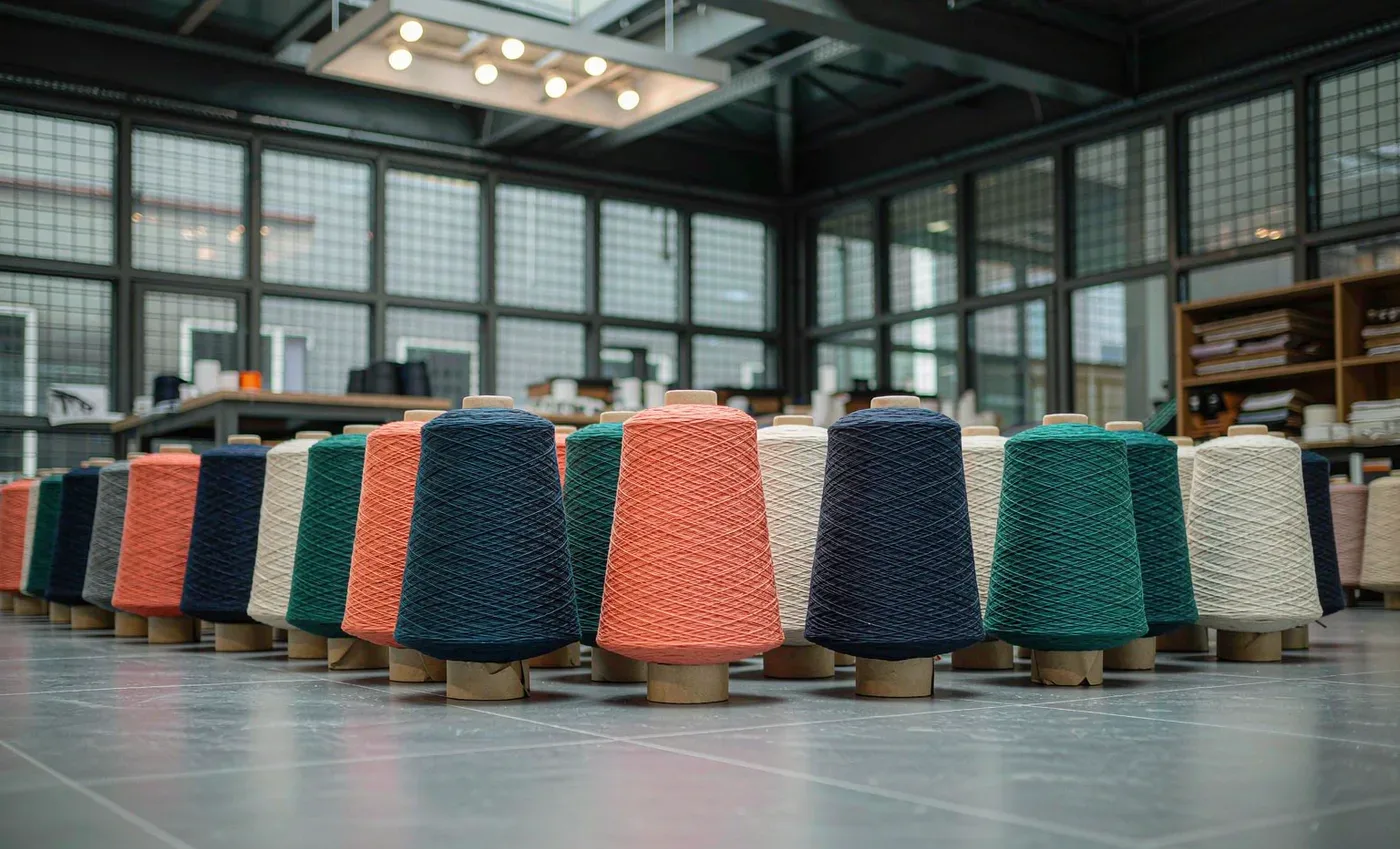
A reorder six months later that is a shade off is one of the most common complaints in the sock trade — and almost always a dye lot problem rather than a supplier problem. We manage it deliberately: the yarn for a programme is allocated from a locked dye lot with the recipe held, and colour is verified on a spectrophotometer against a physical standard, not against a screen.
- Locked dye lot — yarn allocated to the programme so the whole run is one lot
- Recipe held — the dye recipe is recorded and reused on repeats
- Spectrophotometer verification — ±0.8 ΔE against the approved standard
- Physical colour standard — a retained sample, not a Pantone book, is the reference
- Multi-lot colour panel — where volume requires more than one lot, we produce a panel for approval first
How we keep materials under control
Yarn is specified, not assumed
The yarn count, blend and ply are written into the specification you approve, so a reorder cannot quietly arrive in a slightly different yarn.
Yarn lot inspection on arrival
Count consistency and dye lot match are checked before a machine is set — the cheapest place in the whole process to catch a problem.
Certified supply chains, with documents
GOTS, RWS and GRS yarns come with scope and transaction certificates issued with the shipment, so your own claims stay defensible.
Substitutions are proposed, never silent
Where a yarn is unavailable, discontinued or uneconomic we tell you and propose alternatives with the trade-offs stated — we do not substitute quietly.
Frequently asked questions
Which certifications apply to your production?
OEKO-TEX® Standard 100, ISO 9001:2015, BSCI, SMETA 4-Pillar. Materials include GOTS organic cotton · RWS merino wool · GRS recycled polyester · bamboo, modal, combed and mercerized cotton · wicking polyamide blends. Certificates are shared on request, and third-party audits by SGS, Intertek or Bureau Veritas are welcome before shipment.
Which yarn should I choose?
It follows from the product: merino for cold-weather warmth and odour control, wicking polyamide for moisture transport in sports and compression, bamboo or modal for softness in comfort and underwear, mercerized cotton for a premium hand-feel in dress ranges, and combed cotton for everything where cost per pair dominates. Tell us the wearing condition and the price point and we will recommend one.
Can you source a specific yarn we already use?
Usually yes. Send the yarn reference or the reference product and we will identify the closest available equivalent. Where the original is proprietary we will say so and explain what the nearest alternative changes about feel, durability or price.
How do you prevent colour drift between orders?
Yarn for a programme is allocated from a locked dye lot with the recipe held, colour is verified on a spectrophotometer against a physical retained standard at ±0.8 ΔE, and where volume requires more than one lot we produce a colour panel for your approval before bulk.
Are kids’ styles compliant with EU and US child-product rules?
Kids’ styles are built to OEKO-TEX® Class I and tested against the strictest child-product requirements — skin-safe reactive dyes, no detachable trinkets that fail pull tests. Documentation supports EN 71 and CPSIA tracking-label programs on request.
Do you hold stock yarn?
For standard combed cotton and common polyamide blends we usually have yarn available quickly. For certified yarns (GOTS, RWS, GRS) and specialty yarns such as merino, expect a yarn lead time that feeds into the production schedule — we build it into the quoted lead time rather than discovering it later.
Not sure which yarn fits your product?
Tell us the wearing condition and the price point. We will recommend a yarn and explain what it costs you.