Resources
Everything a sock buyer needs before they commit
Sales tools, buying guides and reference material — written by the people who quote the orders, not by a marketing department. No gated downloads, no email wall.
Sales tools, guides and reference
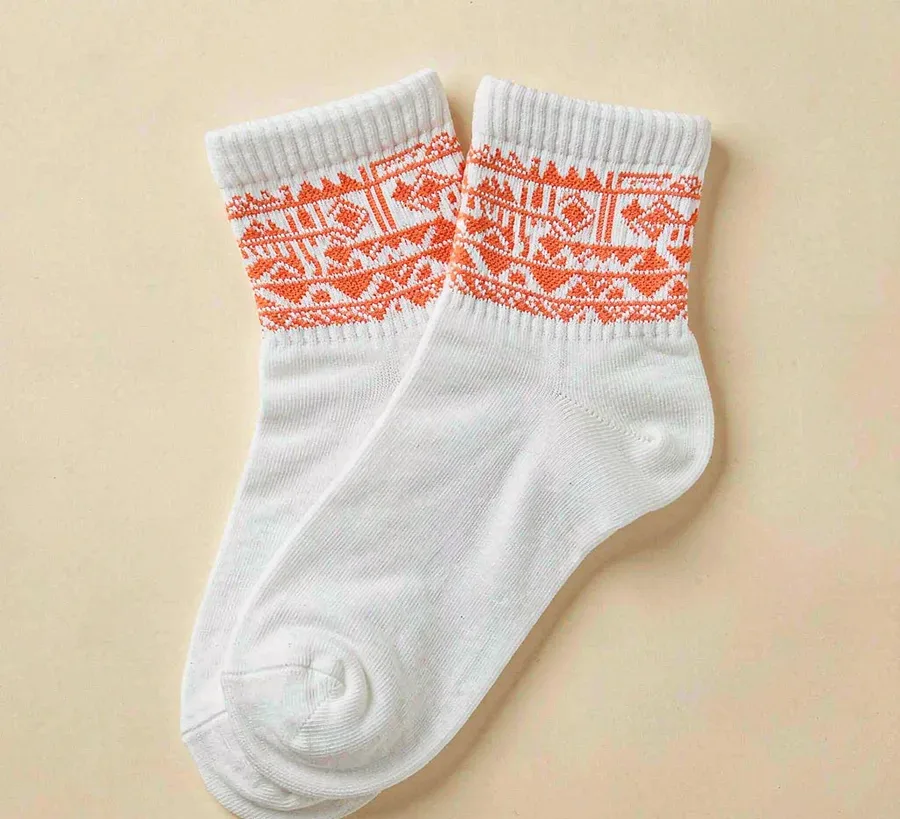
Product catalog
The full range with constructions, specifications and MOQ — wholesale and private label editions.
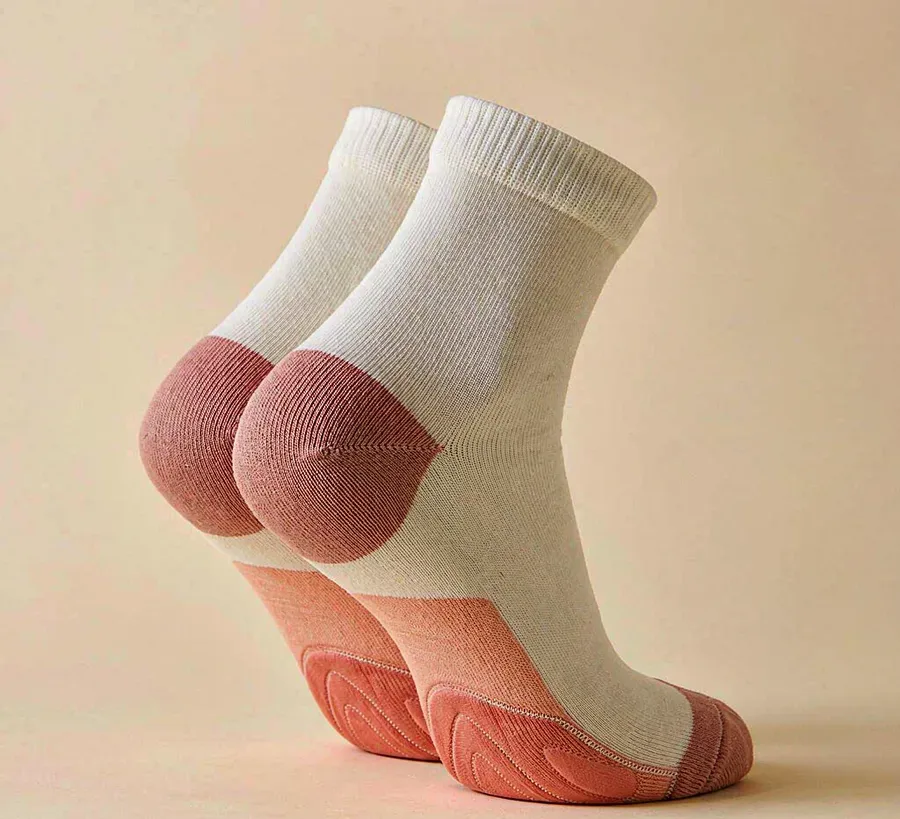
Case studies
Three programs with the numbers: an Amazon launch, a 60-store retail range and a workwear programme.
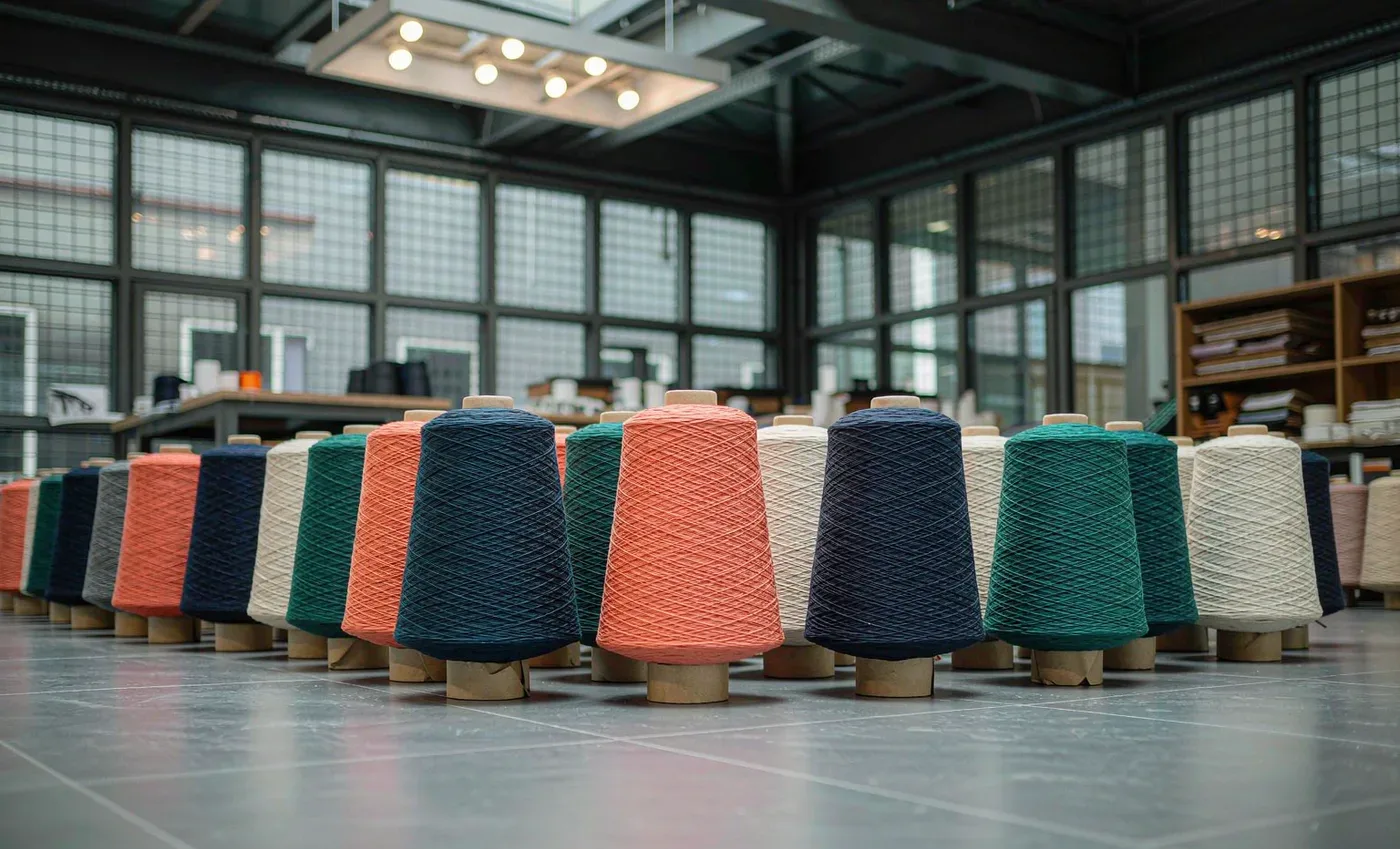
Buying guide
How to plan a first sock order without over-committing, from construction choice to landed cost.
MOQ guide
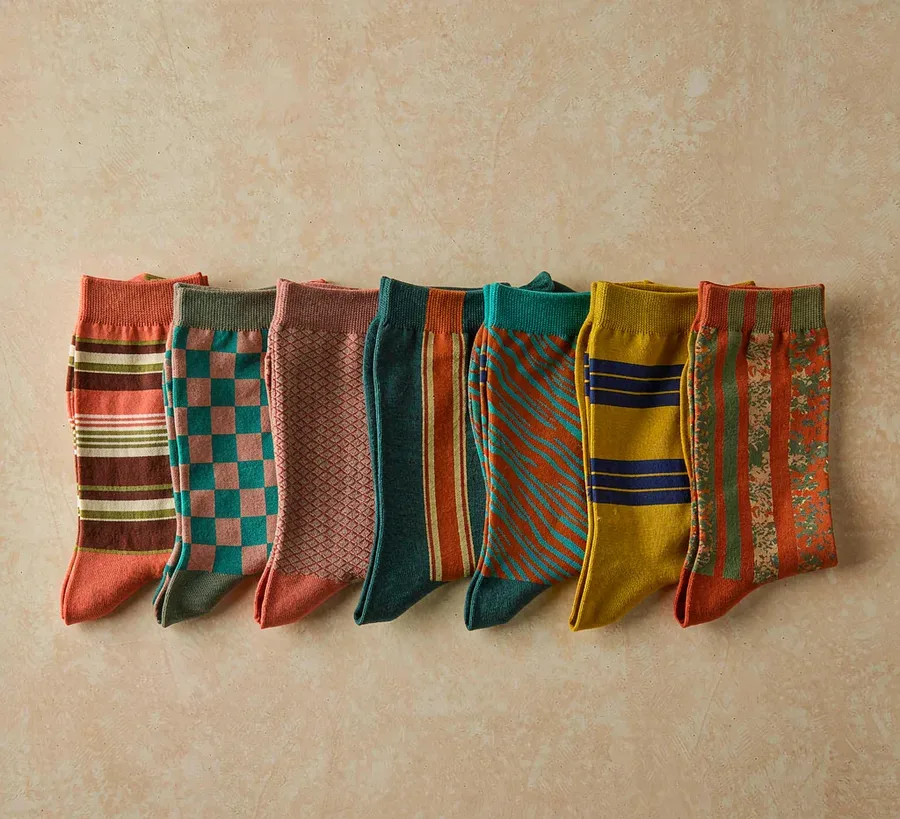
What minimum order quantities really mean, why they exist, and how to structure a first order.
The MOQ Report 2026
Minimums and price ladders measured across the 6 November 2026 snapshot of 317 styles — where MOQs sit, what the next tier is worth, five moves that lower a real minimum.
Sampling & lead times
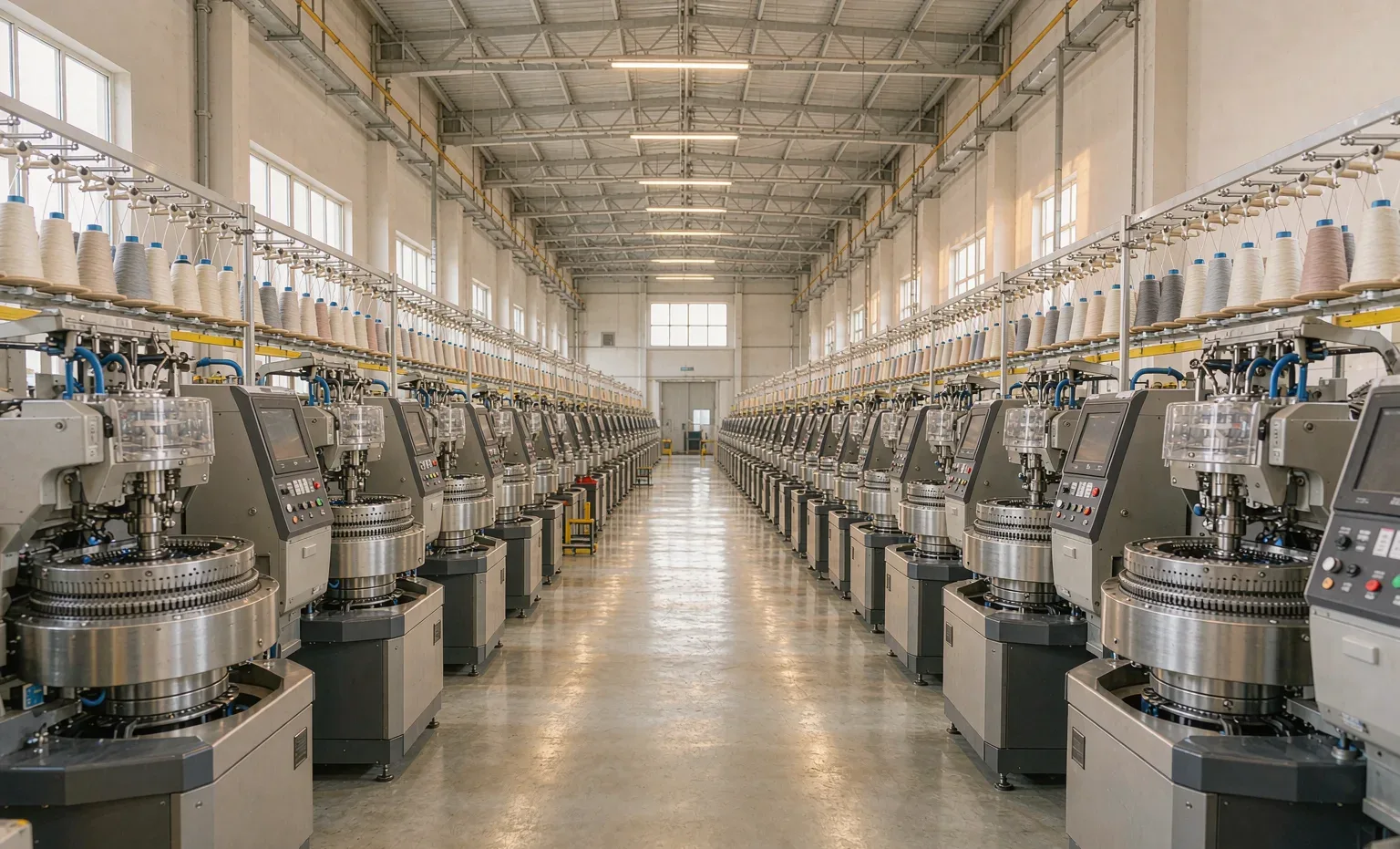
What a sample costs, how long it takes, and where the time actually goes.
Sock size chart
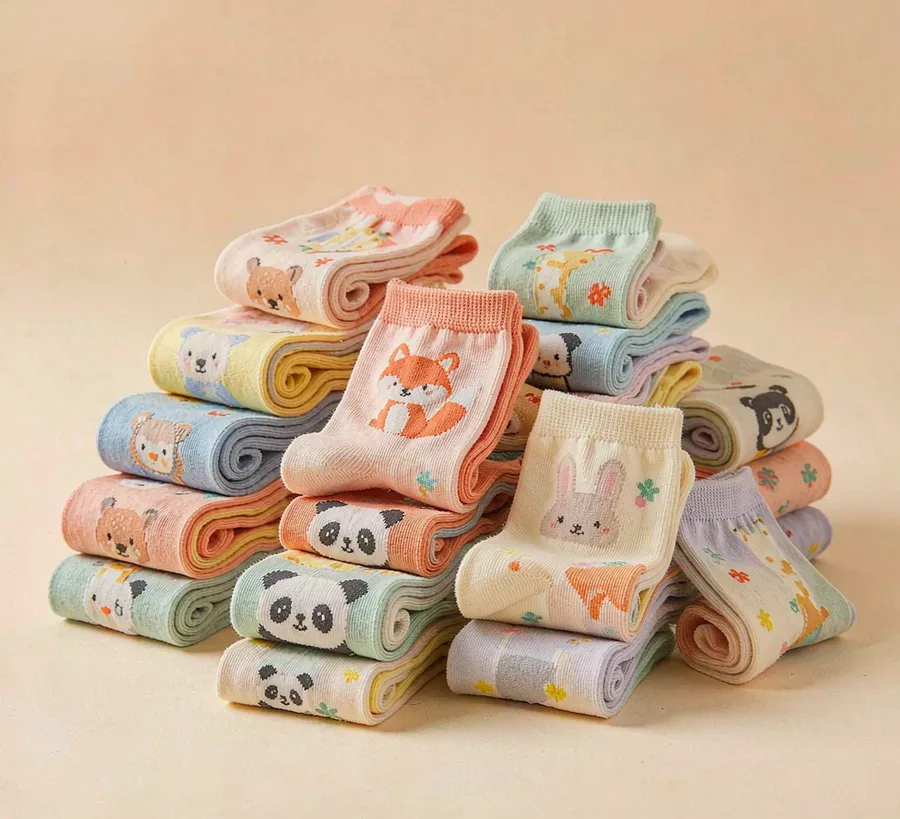
EU, UK, US and kid size conversions, plus how gauge affects the size grade.
Yarn & materials
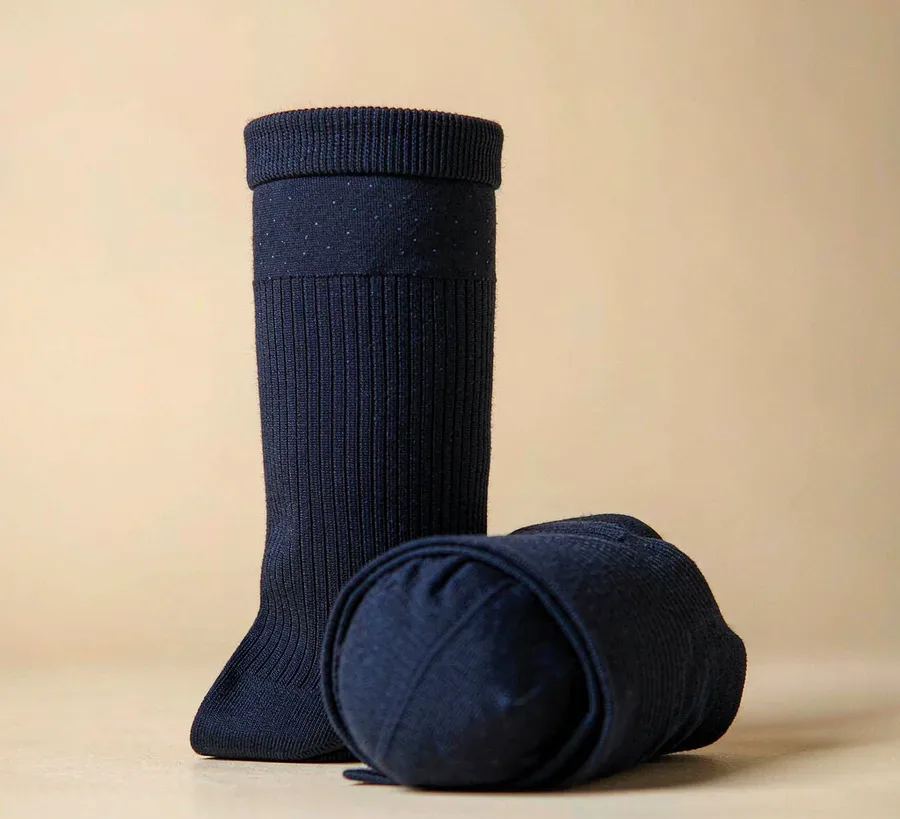
Cotton, bamboo, merino, recycled polyester and wicking blends — what each one buys you.
Cost breakdown
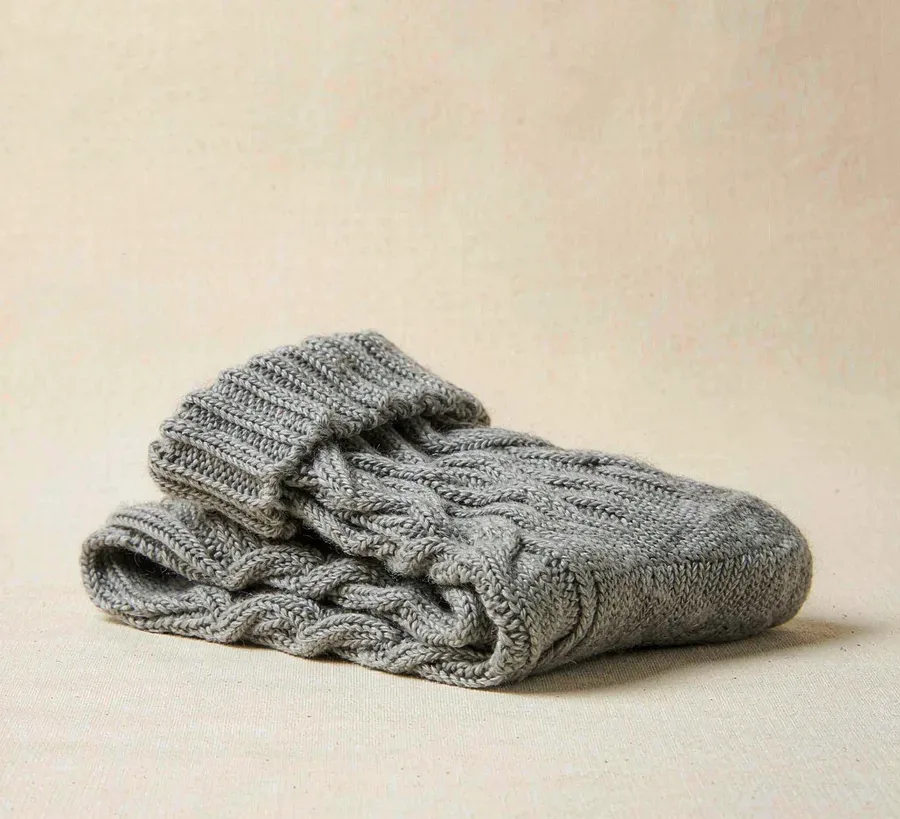
Where each dollar in a sock actually goes, and which decisions save money without hurting the product.
Needle count & gauge
96N to 240N: which count suits which construction, what it changes, and how to verify a claim.
Yarn count & GSM
Ne, Nm, denier and grams per pair — the weight bands each sock type sits in, and why weight is not hand.
Compression levels
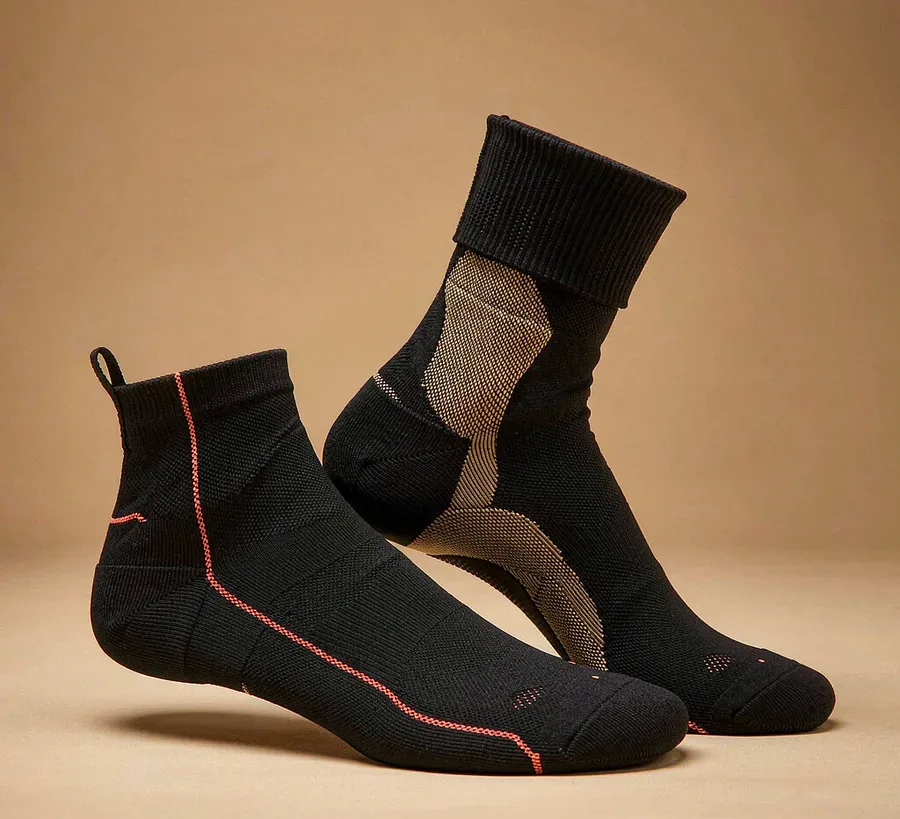
8-15, 15-20, 20-30 and 30-40 mmHg: what each band is for, how the gradient is built, and what to verify.
Sourcing blog
Shorter pieces on construction choices, packaging decisions and market-specific requirements.
Buyer guides: the questions asked most often
Each guide answers one buyer question in full — the same questions buyers put to search engines and AI assistants before they contact a supplier.
Real factory or trading company?
Seven checks you can run in about a week to tell a mill from a middleman — and a plain answer about which one we are.
Read →Manufacturer, trading company or sourcing partner?
What the middle layer actually costs, and how to choose between the three models on volumes, SKUs and control.
Read →Where are socks made in China?
Zhuji, Liaoyuan and Yiwu — which are production clusters, which is a trading hub, and why the difference is money.
Read →How to verify a Chinese sock supplier
The licence, the registry record and the payment structure to check before you wire a deposit.
Read →Low-MOQ manufacturers: how to shortlist
The three kinds of low-MOQ offer, a six-criteria scorecard and the RFQ that tests them all at once.
Read →How these resources are written
No email wall
Nothing on this site is gated. You do not have to trade your address for a size chart — the guides are here to be read and used, whether or not you ever order from us.
Written by the people who quote
The MOQ, cost and lead time figures are the figures our sales team actually works with, not aspirational marketing numbers.
Dated and maintained
Every guide carries an update date. Where a number is an indicative range rather than a fixed price we say so plainly.
Anonymised case studies included
Where a buyer prefers anonymity we keep their name out and publish the numbers anyway — an anonymised real program is more useful than a named one that says nothing.
Frequently asked questions
What is your MOQ?
500 pairs per design & colourway for knitted styles and 1,000 pairs for sublimation-printed styles. Mixed sizes count towards the same design. Volume basics such as a combed cotton everyday crew sit at 3,000 pairs per colour because the price point needs a longer run.
How fast are samples and what do they cost?
Pre-production samples ship 7–10 days after tech-pack approval, by express, with a spec sheet. The sample fee is quoted per style and refunded in full once the bulk order is placed. Revisions are free until you approve the sample.
What do you need from me to start?
Vector artwork (AI, PDF or EPS) works best, with Pantone codes for exact colour matching. Plus target quantity, delivery market and target price if you have one. A reference photo or a sketch is enough to open the conversation — roughly 70% of our buyers start without a tech pack.
Do you own the factory that produces our order?
No — and we are deliberately clear about it. SOXMILL is the brand and the sourcing entity of Beijing Haifu Supply Chain Co., Ltd. Production runs in our own knitting factory in China, under our specification and quality control. We hold the specification, the QC chain, the documentation and the commercial responsibility. That is the part most buyers actually care about: somebody accountable when something goes wrong.
Which trade terms can you work on?
FOB Ningbo / Shanghai · CIF · DDP to your warehouse. Our documentation team prepares CO, Form E and market-specific certificates. Around 60% of our programs ship FOB; Gulf buyers often take DDP.
Can you handle packaging, labels and barcodes?
Yes. Printed belly bands, hangtags, header cards, hook boxes, gift boxes and multi-language inserts, plus GS1 barcode and SKU management for retail and Amazon. Packaging is quoted as a separate line so you can see exactly what it costs.
Read it, then ask us the hard questions.
If a number here does not match what another supplier told you, ask us about it. We would rather explain the difference than let it stand.