Wholesale · Pricing
How wholesale pricing works, without the mystery
Four volume tiers, a published list of what moves the price, and indicative FOB ranges so you can sanity-check a quote before you ask for one.
The numbers first
Price ladder
| Quantity band | Indicative position |
|---|---|
| 500 – 2,000 pairs | Entry tier — highest unit price; the tier that makes a market test possible |
| 2,000 – 10,000 pairs | Standard tier — the working tier for most retail and e-commerce orders |
| 10,000 – 50,000 pairs | Volume tier — allocated yarn, notably better unit cost |
| 50,000+ pairs | Programme tier — locked price window and reserved production slots |
What moves the price
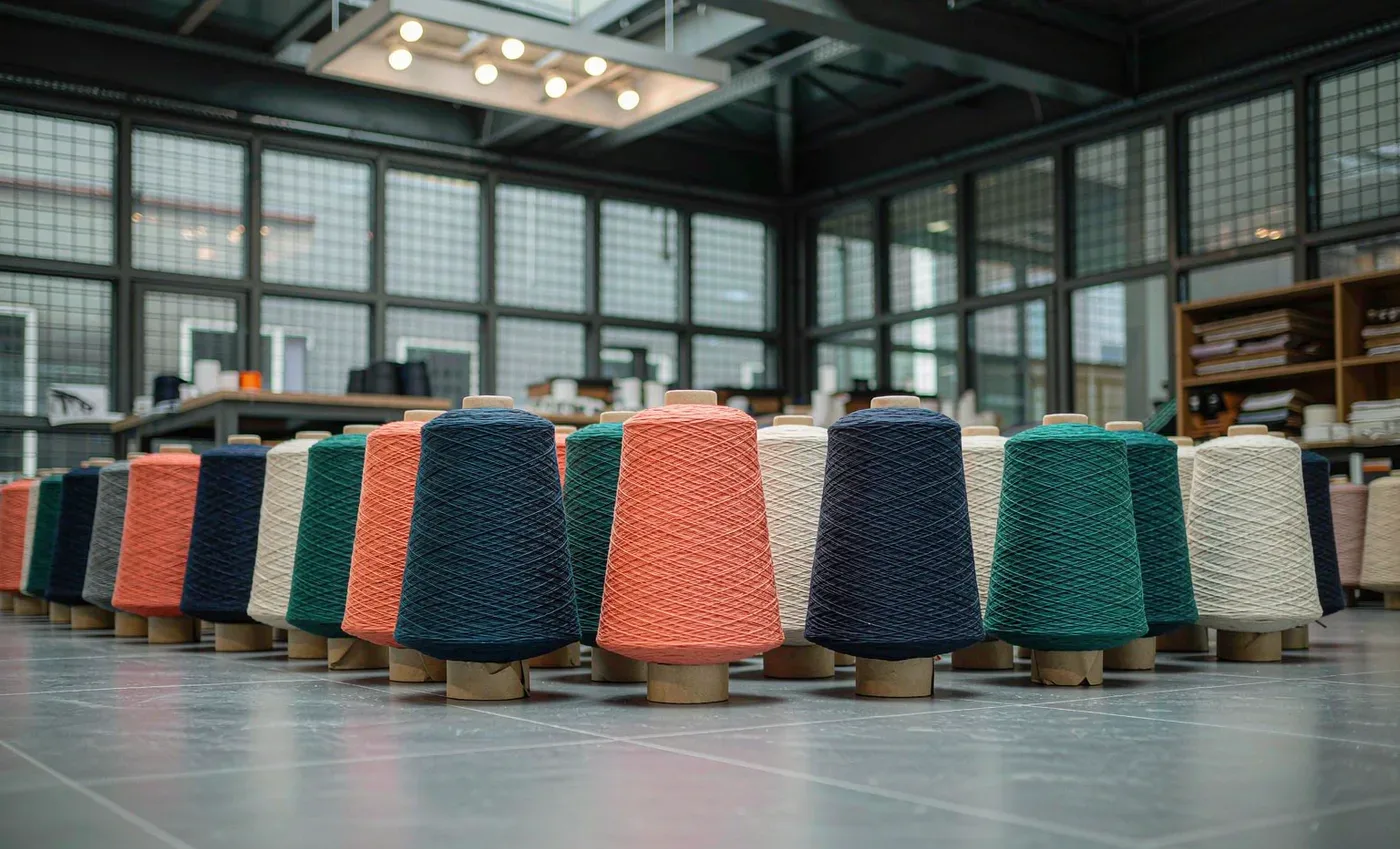
- Yarn content — merino, GOTS organic cotton and GRS recycled yarn carry a real premium over standard combed cotton
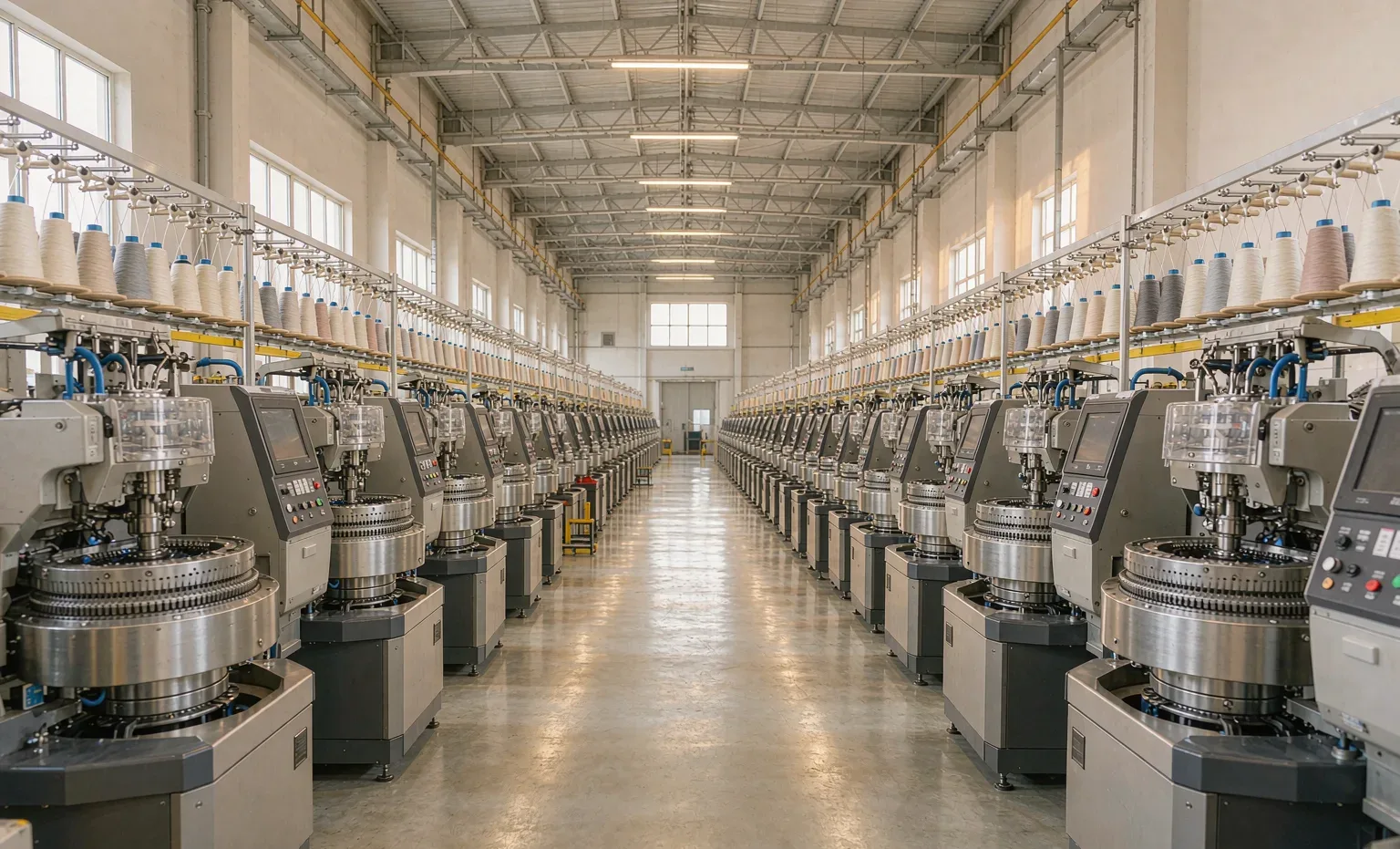
- Machine gauge — 200N fine-gauge runs slower than 144N, so dress socks cost more per pair
- Cushioning and terry — more yarn, more machine time, higher cost
- Colourway count — each knitted colourway needs its own yarn setup and machine stop
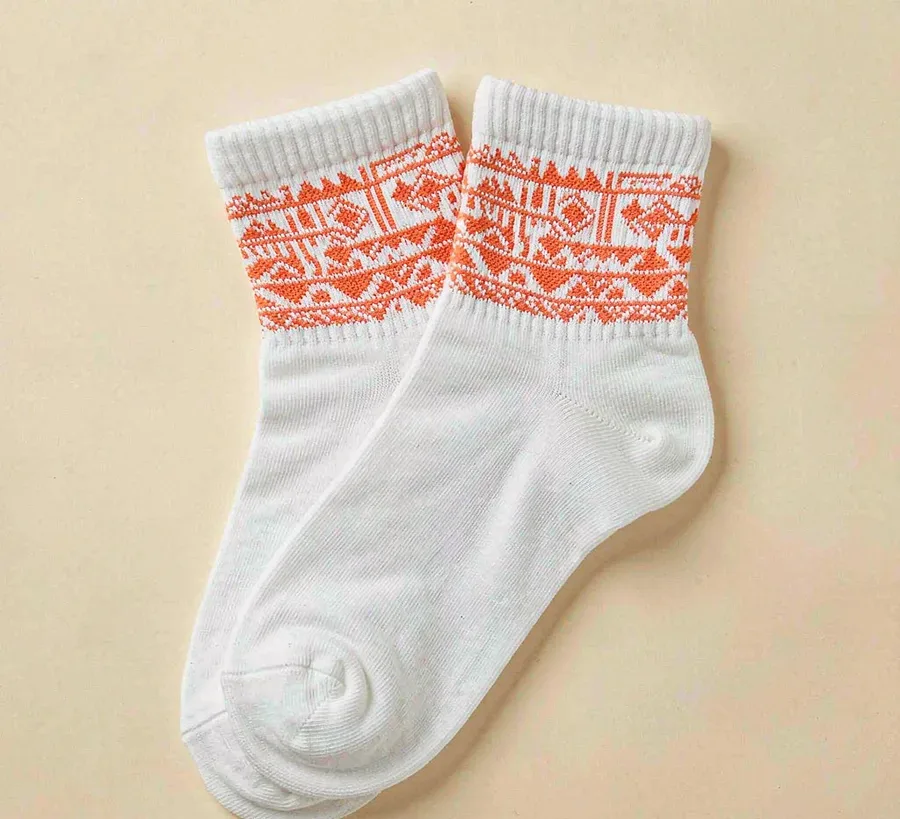
- Logo technique — jacquard knit costs more than a printed logo but lasts far longer
- Packaging — a rigid gift box can cost more than the sock inside it
- Inspection and certification — third-party testing and certificate scopes are quoted as line items, never hidden
- Freight basis — FOB versus DDP is a large swing in landed cost
How to get a sharper number
Ask for two quotes at different quantities — say 2,000 and 10,000 pairs. Seeing the two prices side by side tells you exactly what the next tier is worth to you, and whether the extra stock is worth carrying.
How we price, and why we show our working
Indicative ranges, published
Knitted logo crew US$0.55–1.30/pair · sublimation printed US$0.60–1.20/pair · cushioned performance US$0.80–1.60/pair · merino hiking US$1.20–2.60/pair · graduated compression US$1.10–2.20/pair. All FOB, before freight.
Itemized, not bundled
Yarn, knitting, trims, packaging and freight are quoted as separate lines so you can see what each decision costs and take cost out where it does not hurt the product.
No hidden tooling or setup charges
There is no artwork fee, no plate charge and no "development fee" added at the end. The sample fee is the only up-front cost and it is refunded on the bulk order.
Landed cost available on request
We quote CIF and DDP so you can compare real landed cost rather than guessing at freight and duty.
What you can order wholesale
Wholesale operating terms
| Item | Standard |
|---|---|
| Minimum order | 500 pairs per design & colourway |
| Mixed styles | Yes — the minimum applies per design, not per order |
| Mixed colourways | Yes — consolidated in one shipment |
| Sampling | 7–10 days after tech-pack approval · Quoted per style, refunded in full on the bulk order |
| Bulk lead time | 18–28 days from deposit and sample approval |
| Payment | 30% T/T deposit, balance against B/L copy · L/C at sight above USD 30,000 |
| Trade terms | FOB Ningbo / Shanghai · CIF · DDP to your warehouse |
| Inspection | AQL 2.5 final inspection with photo report on every shipment |
| Certifications | OEKO-TEX® Standard 100 · ISO 9001:2015 · BSCI · SMETA 4-Pillar |
Wholesale terms — common questions
Why can you not publish exact prices?
Because the price of a sock is a function of yarn content, gauge, cushioning, colourways, packaging and quantity — and every buyer wants a different combination. Publishing one number would be accurate for nobody. The indicative ranges plus an itemized quote within 48 hours is more useful than a misleading price list.
What are the indicative FOB ranges?
Knitted logo crew US$0.55–1.30/pair · sublimation printed US$0.60–1.20/pair · cushioned performance and terry US$0.80–1.60/pair · merino wool hiking US$1.20–2.60/pair · graduated compression US$1.10–2.20/pair. All before freight, duties and packaging upgrades.
What is the cheapest way to reduce unit cost?
In order of impact: increase the order quantity, reduce the number of colourways, simplify the pattern, substitute a standard yarn for a certified premium one, and simplify the packaging. Changing the packaging and the pattern usually saves more than changing the yarn — and hurts the product less.
What payment terms do you accept?
30% T/T deposit, balance against B/L copy · L/C at sight above USD 30,000. First orders from new markets may need a higher deposit — we stay flexible for verified buyers and repeat programs.
Do you quote landed cost?
Yes. We quote FOB as standard and can quote CIF or DDP on request. For Gulf and European buyers we usually provide both FOB and DDP so the landed cost comparison is like for like.
Which trade terms can you work on?
FOB Ningbo / Shanghai · CIF · DDP to your warehouse. Our documentation team prepares CO, Form E and market-specific certificates. Around 60% of our programs ship FOB; Gulf buyers often take DDP.
Ask for a price at two quantities.
Seeing the two tiers side by side tells you what the next step up is actually worth.